24Hours Tel
0086-139 8951 3573
Free Inqiry
E-mail:[email protected]
24Hours Tel
0086-139 8951 3573
Free Inqiry
E-mail:[email protected]
If you need to connect a copper tube to a valve, join a nylon air line to a brake system, or repair a water pipe without a torch, a compression fitting is often the fastest and most practical answer. The conclusion first: a compression fitting is a mechanical tube connection that uses a threaded nut to compress a ferrule or sealing ring against the tubing, creating a tight seal without soldering, welding, or flaring. It works reliably in water, air, hydraulic, fuel, and gas systems when the tube is cut square, the ferrule is matched to the tube material, and the nut is tightened to the right torque.
That simple description hides a lot of variation. A brass compression fitting for a household water line, a stainless steel instrument fitting for a chemical analyzer, and a DOT air brake fitting on a commercial truck all share the same basic principle, but they differ in materials, pressure ratings, thread standards, and installation rules. Understanding those differences is what separates a leak-free joint from a call-back, a warranty claim, or a roadside repair.
This guide explains what compression fittings are, how they seal, which types exist, where they are used, how to install them correctly, and how to select the right fitting for a specific tube, medium, and environment. It is written for maintenance technicians, plumbing professionals, engineers, and buyers who want practical answers rather than marketing language.
A compression fitting is a three-part assembly: a fitting body, a compression nut, and a ferrule or sealing ring. The body has a threaded port that receives the nut. The nut, when tightened, pushes the ferrule forward. The ferrule, usually made of brass, copper, plastic, or stainless steel, is squeezed onto the outside diameter of the tube. That compression creates both a mechanical grip and a fluid-tight seal.
The term “compression fitting” is sometimes used broadly to include any fitting that seals by compression, but in technical catalogs it usually refers to the nut-and-ferrule design. Related families include flare fittings, push-to-connect fittings, and push-on hose fittings. Each has its own sealing method and installation procedure. A compression fitting does not require a flare tool, soldering torch, or crimping machine. That makes it popular for field repairs and for connections where heat or open flame is not allowed.
The fitting body is the anchor. It may be a straight connector, an elbow, a tee, a union, or an adapter to pipe thread. The body material determines pressure and temperature limits. Brass is common for water, air, and fuel. Stainless steel is used for corrosive media and high-purity systems. Plastic bodies appear in low-pressure water and pneumatic applications.
The compression nut provides the tightening force. It is usually hex-shaped so a wrench can turn it. The nut’s thread must match the body’s thread. Mixing thread standards, such as BSP and NPT, can damage the threads and cause leaks even if the fitting looks similar.
The ferrule is the sealing element. In a metal compression fitting, the ferrule is typically a ring that deforms slightly when compressed. In a plastic compression fitting, the seal may be a rubber O-ring or a plastic olive. Some fittings use a two-piece ferrule, with a back ferrule for grip and a front ferrule for sealing. The ferrule material must be compatible with the tube material. For example, a brass ferrule on a copper tube works well; a stainless steel ferrule on a stainless steel tube avoids galvanic corrosion.
The sealing action happens in two stages. First, as the nut turns, it pushes the ferrule along the tube. The ferrule contacts the fitting body’s internal cone. That cone forces the ferrule inward, reducing its inner diameter. The ferrule bites into the tube surface, creating a mechanical lock that resists pull-out and vibration.
Second, the deformed ferrule fills the gap between the tube and the body. In a metal-to-metal design, the ferrule is pressed tightly against the tube and the body cone. In designs with an elastomeric seal, the rubber or plastic ring is compressed against the tube and the body. Either way, the seal depends on controlled deformation. Too little tightening leaves a gap; too much tightening crushes the ferrule, cracks the nut, or ovalizes the tube.
The tube is not a passive part. Its outside diameter, wall thickness, hardness, and surface finish affect sealing. A tube that is out of round, scratched, or cut at an angle will not seal properly. A tube that is too hard may resist ferrule bite. A tube that is too soft may collapse under compression. For these reasons, manufacturers publish recommended tube materials and tolerances. For example, copper tubing for plumbing is usually soft and annealed, while stainless steel instrument tubing may be harder and require a specific ferrule design.
Metal-to-metal compression fittings are common in high-pressure and high-temperature systems because they have no rubber parts to degrade. They rely on precise machining and proper torque. Elastomeric compression fittings are common in low-pressure water and pneumatic systems because they tolerate minor surface imperfections and are easy to tighten by hand plus a quarter turn. The trade-off is temperature and chemical compatibility. A rubber O-ring may fail in a solvent or at elevated temperature, while a metal ferrule may not.
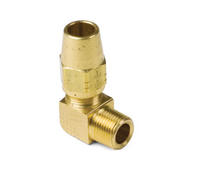
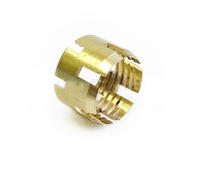
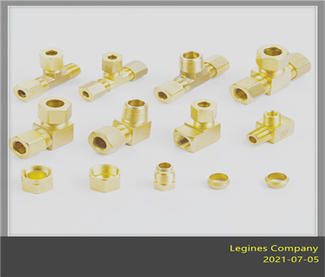 Brass Compression Fittings Catalog: Sleeves, Nuts, Unions, ElbowsBrowse multiple brass compression fitting families, including sleeves, tube nuts, unions, adapters, and elbows, with supporting guidance on metal and elastomeric sealing choices.View Product →
Compression fittings are available in several families, each optimized for different tubes, pressures, and industries. The table below compares the most common types. It is not exhaustive, but it covers the categories most buyers and technicians encounter.
| Type | Body Material | Typical Tube | Pressure Range | Primary Applications |
|---|---|---|---|---|
| Brass compression fitting | Brass | Copper, nylon, plastic | Up to 200-400 psi depending on size | Water plumbing, fuel, air, garden hose, pneumatic controls |
| Stainless steel compression fitting | Stainless steel 316 or 304 | Stainless steel, copper, rigid plastic | Up to 3,000-6,000 psi for instrument fittings | Chemical processing, oil and gas, high-purity gas, hydraulic instrumentation |
| Plastic compression fitting | PVC, CPVC, polypropylene | Plastic tubing, copper | Up to 150 psi for water | Bathroom and kitchen plumbing, irrigation, low-pressure water treatment |
| DOT air brake compression fitting | Brass or steel | Nylon air brake tubing, copper tubing | Up to 150 psi in mobile air brake systems | Commercial vehicle air brakes, trailers, heavy trucks |
| Instrumentation compression fitting | Stainless steel, brass, alloy | Stainless steel, copper, alloy | Up to 10,000 psi for high-pressure models | Analyzers, transmitters, sampling systems, hydraulic test stands |
| Flareless compression fitting | Steel, stainless steel | Steel, stainless steel | Up to 5,000 psi | Hydraulic lines, aerospace, military equipment |
Within each type, there are further variations: straight connectors, elbows, tees, unions, bulkhead fittings, reducers, and adapters to NPT, BSP, SAE, or metric threads. The right choice depends on the tube, the thread on the mating port, and the environment. For example, a brass compression fitting may be perfect for a copper water line inside a building, but a stainless steel compression fitting is a better choice for an outdoor chemical line exposed to salt spray.
Brass is the most familiar material for compression fittings. It resists corrosion in water and air, machines easily, and is relatively inexpensive. Brass compression fittings are widely used in plumbing, heating, pneumatic controls, and fuel systems. They are available with compression ports on both ends or with one compression end and one threaded end, such as NPT or BSP. In potable water systems, lead-free brass is required in many markets. Always confirm the fitting is rated for the medium and meets local codes.
Stainless steel compression fittings are chosen for corrosion resistance, high pressure, and high temperature. They are common in instrumentation, hydraulic, and chemical systems. The ferrule is often stainless steel, and the body may be 316 stainless for better chloride resistance. These fittings require more attention to tube preparation and torque. Over-tightening can gall the threads or damage the ferrule. A calibrated torque wrench is recommended for critical applications.
Plastic compression fittings are common in residential plumbing for connecting plastic or copper tubing to fixtures. They use a plastic nut and a rubber or plastic olive. They are easy to install by hand, but they have lower pressure and temperature limits than metal fittings. They are not suitable for gas or high-pressure applications unless specifically rated and approved. Ultraviolet exposure can degrade some plastics, so they should not be used outdoors without protection.
Choosing between compression, flare, and solder is a practical decision based on tools, access, medium, and codes. A compression fitting is mechanical and reversible. A flare fitting uses a cone-shaped flare at the tube end and a matching cone in the fitting. A soldered connection uses heat and filler metal to join copper tube and fitting. Each has strengths and weaknesses.
Compression fittings are fast and require only two wrenches. They are ideal for repairs where a torch would be dangerous, such as near wood framing or in a confined space. They can be disassembled and reassembled, although the ferrule may need replacement. Flare fittings are common in refrigeration and automotive air conditioning because they can withstand higher vibration and pressure than many compression designs. Solder connections are permanent, low-profile, and less likely to loosen, but they require a torch and skill, and they cannot be used on plastic or nylon tubing.
In high-vibration environments, such as on a truck or a compressor, a compression fitting must be properly supported and tightened. Vibration can cause the nut to back off. Some designs include a nylon insert or a locking feature. Flare fittings are often preferred in mobile refrigeration because the flare is less sensitive to tube movement. In air brake systems, DOT compression fittings are engineered for vibration and pressure cycling, but they still require correct installation and periodic inspection.
Compression fittings have a reputation for leaking when installed poorly. The most common causes are an out-of-square cut, missing ferrule, over-tightening, under-tightening, or reusing a crushed ferrule. A flare fitting can also leak if the flare is cracked or the cone is damaged. Soldered joints can leak if the tube was not cleaned or if the heat was wrong. The difference is that a compression fitting gives immediate feedback: you can tighten it slightly more, or take it apart and inspect the ferrule. That makes it forgiving for field service, provided the installer follows the basics.
Compression fittings appear in almost every fluid system where a removable, solderless connection is useful. The list below covers the main application areas and the specific demands each places on the fitting.
In each case, the fitting must match the tube material, the thread standard, and the environmental conditions. A fitting that works for compressed air may not be suitable for potable water or natural gas. Certification marks, such as DOT, SAE, ASTM, or NSF, indicate that the fitting has been tested to a specific standard. Buyers should ask for the relevant certificate or test report when the application is regulated.
Correct installation is the difference between a joint that lasts for decades and one that weeps within a week. The steps below apply to most metal compression fittings. Always follow the manufacturer’s instructions for your specific fitting, especially for gas, high-pressure, or DOT applications.
Reusing a ferrule is one of the most frequent errors. Once a ferrule is compressed, it takes a set. Reusing it may not provide enough sealing force, and it can leak. Always use a new ferrule when reassembling. Another mistake is tightening the nut without holding the body. This can twist the tube and damage the connection. Mixing thread standards is also dangerous: NPT and BSP threads look similar but have different thread angles and pitch. Cross-threading can ruin the fitting and create a leak path.
Finally, do not use compression fittings on tubes that are not rated for the fitting. For example, some plastic tubing is too soft for a metal ferrule, while some hard stainless tubing requires a specific ferrule. If in doubt, consult the fitting manufacturer’s compatibility chart.
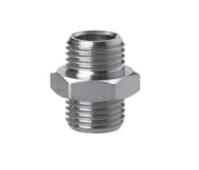
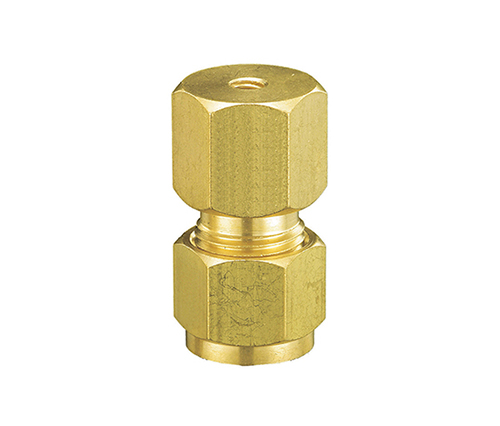 1/4 NPT Brass Compression Double Male ConnectorView this brass double male connector for fog, hydraulic, and pneumatic tubing, rated to 1000 psi with copper or stainless options and selectable O-ring seals.View Product →
Selection starts with the tube. Identify the outside diameter, wall thickness, and material. Then identify the medium: water, air, oil, fuel, gas, or chemical. Next, determine the operating pressure and temperature. Finally, match the thread on the mating component. The most common thread standards for compression fittings include NPT, BSP/BSPP, SAE, metric, and JIC. Using the wrong thread will not seal, even if the fitting threads on partway.
Pressure and temperature ratings are usually stated for the fitting at a specific tube size. A small compression fitting may handle 400 psi, while a larger one may only handle 150 psi. Temperature affects the ferrule and any elastomeric seal. Brass fittings with rubber seals may be limited to 200°F, while all-metal stainless fittings can handle much higher temperatures. Chemical compatibility is also critical: ammonia, acids, and solvents can attack brass or rubber. In those cases, stainless steel or plastic may be required.
For potable water, look for lead-free brass and NSF/ANSI 61 or equivalent certification. For air brake systems, DOT approval is essential. For marine or coastal environments, 316 stainless steel offers better chloride resistance than brass. For food processing, fittings must be cleanable and made from approved materials. Certificates and test reports should be available from the supplier. A reputable manufacturer will provide material certificates, pressure test reports, and dimensional drawings.
When buying in volume, consider the total cost of ownership, not just the unit price. A cheap fitting that leaks or fails inspection can cost far more in labor, downtime, and reputation. Look for consistent thread machining, proper ferrule hardness, and clear size markings. Ask about minimum order quantity, packaging, lead time, and OEM options. For example, a manufacturer that offers factory-direct pricing, no minimum order, and OEM service can be attractive for distributors and equipment builders who need flexibility. However, always verify that the product meets the required standard for your application.
It also helps to review the manufacturer’s technical literature. A compression fitting catalog or PDF usually lists dimensions, pressure ratings, and installation torque. For instance, a dedicated compression fittings catalog PDF can help you cross-reference part numbers and confirm tube compatibility. If your application involves air brake systems, a separate DOT air brake fittings page or catalog will list the approved configurations and markings.
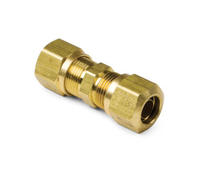
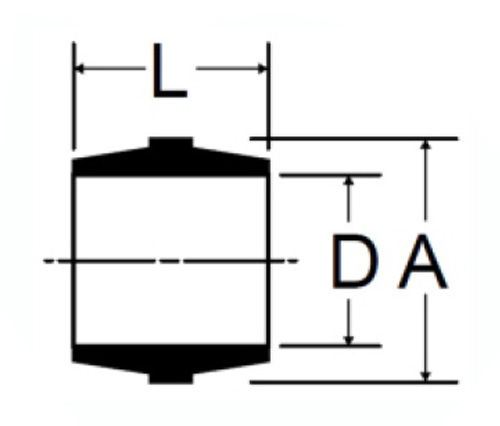 DOT Air Brake Nylon Tubing Sleeve Fittings, Brass BodyInspect these DOT air brake nylon tubing fittings with solid brass bodies, crossbar anti-rotation, pre-applied sealant, and sizes for heavy-duty truck and trailer air systems.View Product →
Compression fittings are not maintenance-free, but they are easy to inspect. Check for weeping, corrosion, loose nuts, and cracked ferrules. In vibrating equipment, look for signs of nut back-off. A witness mark on the nut and body can help you see if the nut has moved. If a joint leaks, do not simply tighten it more. Excessive tightening can deform the tube and make the leak worse. Instead, depressurize the system, disassemble the joint, and inspect the ferrule and tube. Replace the ferrule if it is crushed, cracked, or scored. If the tube is damaged, cut it back and start with a fresh end.
In air brake systems, moisture and oil can degrade nylon tubing and brass fittings over time. Follow the vehicle manufacturer’s maintenance schedule for draining air tanks and inspecting lines. In water systems, mineral scale can build up on the ferrule and tube, causing leaks. Cleaning the tube end and replacing the ferrule usually restores the seal. In high-purity or chemical systems, follow cleanroom procedures and use compatible cleaning agents.
Replace the fitting if the threads are damaged, the body is cracked, or the hex flats are rounded. Replace the tube if it is kinked, crushed, or heavily corroded. In safety-critical systems, such as brakes or gas lines, replace any suspect component rather than trying to reuse it. A compression fitting is a precision component; once it is compromised, it may fail without warning. Keep spare ferrules and fittings in common sizes on hand for maintenance.
Several fitting types are often confused with compression fittings. A flare fitting uses a flared tube end and does not use a ferrule. A push-to-connect fitting uses an internal collet and O-ring; it is not a compression fitting in the traditional sense, although both are mechanical. A push-on hose fitting slides onto a hose barb and is secured with a clamp or by the hose’s elasticity. A compression fitting, by contrast, uses a nut and ferrule to compress the tube. Knowing the difference prevents ordering the wrong part and installing it incorrectly.
Thread standards also cause confusion. NPT is a tapered pipe thread that seals on the threads. BSPT is similar but has a different thread angle and pitch. BSPP is a parallel thread that seals with a washer or O-ring. SAE threads are used in automotive and hydraulic applications. Metric threads follow ISO standards. A compression fitting body may have a compression port on one end and any of these threads on the other. Always confirm both ends before purchase.
A compression fitting is a reliable, versatile tube connection when it is selected and installed correctly. Start with the right materials for the medium and environment. Cut the tube square, deburr it, and use a new ferrule. Tighten to the manufacturer’s specification, not by feel alone. Test for leaks before putting the system into service. Keep spare ferrules and fittings for maintenance, and replace rather than reuse critical components.
For buyers, look beyond the unit price. Consistent quality, correct thread machining, and available technical documentation reduce installation problems and warranty claims. If you need brass compression fittings, DOT air brake fittings, or stainless steel instrumentation fittings, work with a supplier who can provide the standard certifications, pressure ratings, and OEM support your application requires. That approach turns a small, inexpensive component into a dependable part of the system.
Add:Xingzhong Road DianKou Town Zhuji City Zhejiang Province China
Mob: 0086-139 8951 3573
Tel: 0086-575-87560582
Fax: 0086-575-87560582
E-mail:[email protected]

 英语
英语 西班牙语
西班牙语