24Hours Tel
0086-139 8951 3573
Free Inqiry
E-mail:[email protected]
24Hours Tel
0086-139 8951 3573
Free Inqiry
E-mail:[email protected]
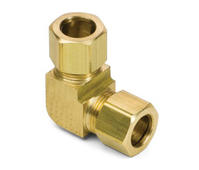
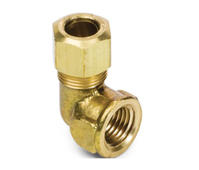
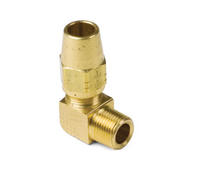
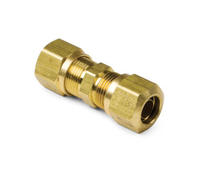
In modern fluid transfer systems, whether supplying safe drinking water to homes, transporting energy in commercial buildings, or handling corrosive media in harsh industrial settings, the reliability of connecting components is critical to ensuring the system's long-term stability. Among many materials, Brass Fittings are widely recognized as the preferred choice for pipe connections due to their outstanding properties—including excellent corrosion resistance, high mechanical strength, good ductility, and exceptional tolerance to temperature and pressure.
However, as application scenarios become increasingly complex, from simple residential garden hoses to sophisticated petrochemical pipelines, choosing the "right" brass fitting has become a decision requiring expert knowledge. Incorrect selection can lead to leaks, accelerated corrosion, or even systemic failure. Therefore, a deep understanding of how to select the correct brass alloy and design specification based on project needs is paramount to success.
As a copper-zinc alloy, brass offers advantages that are difficult for other common connecting materials to match:
Exceptional Durability and Strength: Brass has sufficient strength to withstand high-pressure applications and is resistant to brittle fracture. Furthermore, its good ductility allows the fitting to endure the tightening stresses during installation and the thermal expansion and contraction during daily use without developing fatigue cracks.
Corrosion Resistance: Particularly in water treatment applications, brass exhibits strong resistance to tap water, chlorinated water, and various saline environments. This gives brass fittings a significantly longer service life than many common metals or plastics.
Temperature and Pressure Adaptability: Brass fittings maintain their structural integrity and sealing performance across a wide temperature range (including hot water systems and steam pipes), generally accommodating higher working pressures than plastic.
Machinability: Brass has excellent cutting properties, allowing manufacturers to use precision machining and forging techniques to produce fittings with complex geometries and high-accuracy threads, which guarantees a perfect seal.
To select the correct brass fittings for a specific project, three core dimensions must be considered: application environment, alloy type, and design specifications.
The nature of the project dictates the primary requirements for the brass fittings:
Residential Projects: The primary focus is Drinking Water Safety. In the United States and many regions, brass fittings in contact with potable water must be Lead-Free Brass, such as
Commercial Projects: In addition to drinking water safety, Usage Frequency and Scale must be considered. For example, piping systems in hotels, hospitals, or schools may need to withstand higher instantaneous flows and frequent valve cycling, requiring fittings with higher pressure ratings and better resistance to dezincification.
Industrial Projects: This represents the most demanding environment. Fittings may be exposed to high temperatures, high pressures, corrosive chemicals , or abrasive fluids. Special High-Performance Brass Alloys must be selected (such as Naval Brass
Different brass alloys have varying copper-zinc ratios and other added elements, which directly affects their performance:
Standard Brass : Has a high zinc content, making it easy to machine and low-cost. However, its corrosion resistance is relatively poor, making it prone to "dezincification" corrosion in certain high-chlorine or soft water environments (zinc is preferentially corroded and leached out, leaving a porous copper structure, leading to reduced strength). Not recommended for drinking water or high-risk corrosive environments.
Red Brass : High copper content (usually over
Naval Brass : Contains a small addition of tin, which significantly enhances its resistance to corrosion in marine and high-temperature conditions. It is an ideal choice for industrial and marine applications.
Selecting the correct fitting design is crucial:
Thread Standards: Must match the pipe's thread standard, commonly including
Connection Types: Brass fittings offer various connection methods, including threaded connections, compression connections, push-to-connect (
Pressure Rating: The fitting's rated working pressure and temperature (
The table below summarizes the key considerations when choosing brass fittings based on project type:
|
Project Type |
Key Consideration |
Recommended Alloy Type |
Recommended Connection |
|---|---|---|---|
|
Residential Potable Water |
Lead-Free certification ( |
Lead-Free Red Brass ( |
Compression, Push-to-Connect, Threaded ( |
|
Commercial |
High usage frequency, High pressure/temperature adaptability. |
|
Threaded ( |
|
Industrial |
Extreme pressure/temperature, Corrosive media, Vibration environment. |
Naval Brass ( |
Threaded ( |
|
Gas/Fuel Lines |
Strict sealing and fire resistance requirements. |
|
Specialized Gas Threads (Flare/Compression) |
Brass fittings are a critical investment in ensuring the long-term reliability of a fluid system. The selection should never be based solely on cost but must integrate the severity of the application environment, mandatory regulatory requirements for drinking water safety, and the metallurgical properties of the alloy itself.
From Lead-Free Red Brass safeguarding household health, to Naval Brass resisting marine corrosion, and precision forged brass enduring industrial high pressure, the correct Brass Fitting is the invisible pillar that ensures the efficiency, safety, and longevity of the piping system. Only by making precise choices can a system achieve true stability and durability.
Add:Xingzhong Road DianKou Town Zhuji City Zhejiang Province China
Mob: 0086-139 8951 3573
Tel: 0086-575-87560582
Fax: 0086-575-87560582
E-mail:[email protected]

 英语
英语 西班牙语
西班牙语