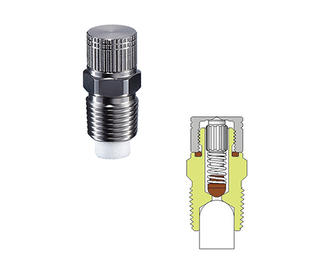
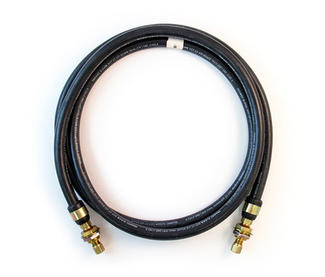
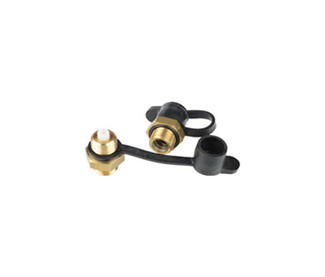
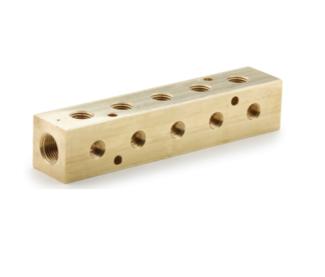
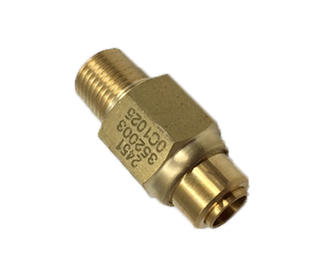
Hydraulic High Pressure Adapters bridge the gap between SAE 45° flare, JIC 37°, NPT, and BSPT thread standards, letting fluid power systems mix components from different manufacturers without leaks or premature seal failure. These adapters see duty in mobile hydraulics, stationary presses, and compressed air lines where a single loose connection can shut down an entire production line, so dimensional accuracy is not optional.
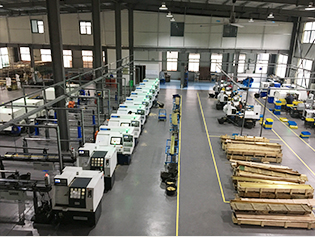
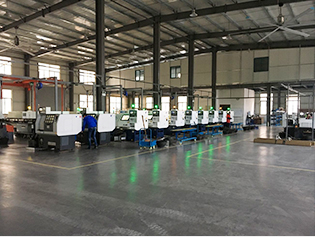
Legines forges and machines this range from C36000 free-cutting brass and, for higher-pressure configurations, from carbon steel with a zinc-nickel coating. Flare seats are finished to a 0.4 Ra surface roughness, which is what actually creates the metal-to-metal seal on a 45° flare joint rather than relying on a rubber O-ring that can extrude under pressure spikes. Every batch is proof-tested to 1.5x rated working pressure before it leaves the factory floor.
The category covers straight adapters, 90° and 45° elbows, tees, bulkhead unions, and reducing adapters, so a single hydraulic rebuild can be sourced from one product family instead of chasing parts across multiple suppliers. Thread combinations most commonly requested include SAE 45° to NPT, JIC 37° to BSPP, and O-ring boss (ORB) to NPT, covering the majority of North American and European mobile equipment platforms.
In field service, the value of a well-made adapter shows up during the second and third installation, not the first. No-solder assembly means technicians can complete a repair with hand tools and a torque wrench, without introducing an open flame near hydraulic fluid or fuel lines. Hex flats are sized generously for wrench clearance in tight engine bays and equipment frames, reducing rounded corners and stripped fittings during roadside repairs.
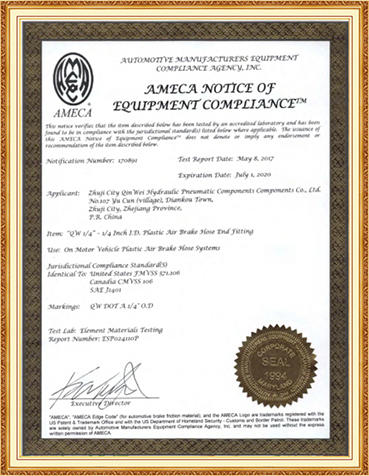
For buyers supplying hydraulic hose shops, agricultural dealers, or construction equipment fleets, this category rewards consistent quality more than almost any other brass product line, because a failed adapter under pressure is a safety incident, not just a warranty claim. Legines backs every production run with pressure-test records and offers custom marking for private-label hydraulic parts programs, so distributors can build brand recognition on a component that end users actually inspect before installation.

 英语
英语 西班牙语
西班牙语