24Hours Tel
0086-139 8951 3573
Free Inqiry
E-mail:[email protected]
24Hours Tel
0086-139 8951 3573
Free Inqiry
E-mail:[email protected]
The selection of appropriate hardware for fluid and gas transportation systems is a critical factor in ensuring the longevity and safety of modern infrastructure. Among the various materials available in the industrial and residential sectors, brass fittings have maintained a position of prominence for decades. These components, primarily composed of copper and zinc, provide a unique combination of mechanical strength, corrosion resistance, and aesthetic appeal. Choosing the right connectors involves understanding the specific requirements of a project, such as pressure ratings, temperature fluctuations, and chemical compatibility. Because brass is a highly adaptable alloy, it is frequently utilized in applications ranging from household water lines to complex industrial pneumatic systems.
To understand the enduring popularity of brass fittings, it is necessary to examine the metallurgical properties that define this alloy. Brass is primarily a mixture of copper and zinc, and the specific ratio of these elements determines the performance characteristics of the final product. High quality brass alloys often include small amounts of other elements to enhance specific traits, such as lead for improved machinability or tin for increased resistance to dezincification. The inherent properties of copper provide the material with natural antimicrobial benefits, while the addition of zinc contributes to the overall hardness and structural integrity of the fitting.
One of the most significant advantages of using brass in plumbing and gas systems is its remarkable resistance to corrosion. Unlike ferrous metals, brass does not rust when exposed to moisture and oxygen. This resistance is particularly important in potable water systems where mineral buildup and oxidative stress can lead to the failure of inferior materials. The smooth internal surfaces of brass fittings also minimize friction and turbulence, ensuring a consistent flow rate and reducing the likelihood of sediment accumulation. This combination of structural strength and chemical stability makes brass an ideal candidate for environments where reliability is non negotiable.
When engineers and contractors evaluate different materials for a project, they often compare brass against stainless steel, plastic, and copper. While each material has its specific use cases, brass offers a balanced middle ground that satisfies a wide range of operational demands. Plastic fittings are often chosen for their low cost and lightweight nature, but they lack the thermal stability and mechanical robustness required for high pressure or high temperature applications. Stainless steel provides excellent strength but can be significantly more expensive and difficult to machine or install in tight spaces.
The table below provides a comparison of how brass performs relative to other common materials used in modern plumbing and industrial installations. This evaluation focuses on general performance attributes rather than specific technical parameters.
|
Performance Attribute |
Brass Fittings |
Stainless Steel Fittings |
PVC and Plastic Fittings |
|---|---|---|---|
|
Corrosion Resistance |
High resistance to water and atmospheric corrosion |
Extremely high resistance to many chemicals |
Immune to corrosion but susceptible to UV damage |
|
Thermal Stability |
Excellent performance in both hot and cold systems |
High performance but prone to thermal expansion |
Limited to low temperature environments |
|
Ease of Installation |
High machinability and excellent threading capabilities |
Moderate difficulty due to material hardness |
Easy to join but requires specific adhesives |
|
Mechanical Strength |
Durable and resistant to impact and vibration |
Superior strength for heavy duty applications |
Lower strength and prone to cracking under stress |
|
Long Term Value |
Outstanding durability for the price point |
High initial cost for specialized use cases |
Low cost but may require more frequent replacement |
The versatility of brass as a material allows for the creation of numerous fitting designs, each tailored to solve specific connection challenges. Understanding the functional differences between these types is essential for maintaining the integrity of a system. Manufacturers produce a vast array of threaded brass pipe connectors and compression joints to accommodate various tubing materials, including copper, PEX, and multi layer composite pipes.
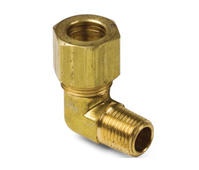
Brass compression fittings are widely regarded as one of the most reliable ways to join tubing without the need for soldering or specialized tools. These fittings consist of three main components, namely the fitting body, a compression nut, and a compression ring or ferrule. When the nut is tightened onto the body, it compresses the ferrule against the tube, creating a watertight and airtight seal. This method is particularly useful in tight spaces where using a torch for soldering would be dangerous or impractical.
The primary benefit of using compression joints in residential plumbing is their ease of maintenance. Because the connection is mechanical rather than chemical, it can often be disassembled and reassembled if necessary. This makes them ideal for connections under sinks, behind toilets, and for water filtration systems. Furthermore, lead free brass fittings are now the standard for potable water applications, ensuring that the water remains safe for consumption while the system benefits from the durability of the metal.
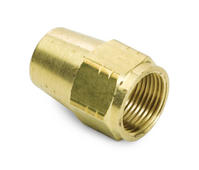
In applications involving high pressure gases or liquids, such as refrigeration systems or hydraulic lines, brass flare fittings are frequently employed. The flare connection involves widening the end of the tube into a funnel shape and securing it between a nut and a flared fitting body. This design provides a larger surface area for the seal and can withstand significantly higher pressures than standard compression or threaded joints.
The structural integrity of flared connections is vital for safety in industrial settings. Brass is the preferred material here because its ductility allows for a clean flare without cracking the tube. Additionally, the resistance of brass to vibration means that flare joints are less likely to loosen or leak over time when used on machinery or in vehicles. Heavy duty brass fittings used in these scenarios are often forged rather than cast to ensure the highest possible density and strength.
The functional superiority of brass extends beyond its basic material properties. The way these fittings interact with other components and the environment provides several distinct advantages for system designers. One such advantage is the exceptional machinability of brass. Manufacturers can produce intricate thread patterns and tight tolerances with extreme precision, which is essential for preventing leaks in complex assemblies.
Brass is an excellent conductor of heat, which makes it a preferred choice for radiant heating systems and hot water distribution. Unlike some plastics that may soften or degrade when exposed to high temperatures over long periods, brass maintains its mechanical properties even in demanding thermal environments. This heat resistance ensures that the fittings will not deform or fail, even if the system experiences unexpected temperature spikes.
This thermal stability is also beneficial during the installation process. For fittings that require soldering or sweating, the ability of brass to distribute heat evenly allows for a more consistent and reliable bond between the fitting and the copper pipe. This reduces the risk of cold joints and ensures that the entire plumbing network functions as a single, cohesive unit. In solar thermal systems and boiler rooms, the reliability of brass hardware under constant heat cycles is a major factor in reducing system downtime.
Industrial environments often subject plumbing systems to significant mechanical stress, including vibrations from pumps, pressure surges, and physical impacts. Brass fittings possess the necessary toughness to absorb these stresses without failing. The alloy is ductile enough to resist brittle fractures while being hard enough to maintain its shape under high torque during installation.
The durability of threaded brass pipe connectors is particularly evident in systems that require frequent maintenance or component replacement. The threads on brass fittings are less likely to gall or seize compared to stainless steel, allowing for smoother assembly and disassembly. This saves time for maintenance crews and reduces the cost of replacing damaged hardware. In applications such as compressed air lines or fuel delivery systems, the rugged nature of brass ensures that the system remains secure and leak free despite the rigors of daily operation.
Achieving a leak free and long lasting installation requires more than just high quality components. Proper installation techniques are essential to maximize the benefits of brass plumbing hardware. One of the most important considerations is the compatibility of the fitting with the pipe material. While brass is compatible with copper and many types of plastic, installers must be cautious when connecting brass to galvanized steel pipes. This combination can lead to galvanic corrosion, where the different metals react and cause the joint to deteriorate prematurely.
To prevent such issues, many professionals use dielectric unions or specific transition fittings that isolate the different metals. Additionally, the use of high quality thread sealants, such as PTFE tape or pipe dope, is necessary for threaded connections. These sealants fill the microscopic gaps between the threads and provide lubrication, allowing for a tighter and more secure fit. It is also important to avoid over tightening brass components, as excessive force can cause the metal to stretch or the threads to strip, potentially leading to slow leaks that are difficult to detect.
Although brass is exceptionally durable, a regular maintenance schedule will ensure that the system performs at its peak for many decades. In many residential applications, brass fittings are hidden behind walls or under floors, making them easy to forget. However, exposed fittings, such as those in utility rooms or industrial workshops, should be inspected periodically for signs of external corrosion or mineral deposits.
In areas with hard water, minerals such as calcium and magnesium can accumulate on the interior and exterior surfaces of plumbing components. While brass is resistant to the corrosive effects of these minerals, a significant buildup can eventually restrict flow or interfere with the operation of valves and moving parts. Periodic flushing of the system can help remove loose sediment before it hardens into a problematic scale.
If mineral deposits appear on the outside of a brass fitting, they can often be cleaned using a mild acidic solution, such as vinegar, and a soft brush. This not only maintains the aesthetic appearance of the hardware but also allows for a clearer inspection of the joint's integrity. For industrial systems, more specialized chemical cleaning agents may be used, provided they are compatible with brass and the other materials in the network.
While brass is highly resistant to atmospheric corrosion, certain environments can be more challenging than others. For example, fittings installed in coastal areas may be exposed to salt air, which can accelerate the oxidation process. In these cases, using brass alloys with higher tin content or applying a protective coating can provide an extra layer of security.
Similarly, in industrial settings where fittings may come into contact with harsh chemicals or cleaning agents, it is vital to verify the chemical compatibility of the brass alloy. Some strong acids or ammonia based cleaners can cause stress corrosion cracking in certain types of brass. Ensuring that the fittings are kept clean and free from chemical residues will significantly extend their service life. By understanding the environment and taking proactive steps to protect the hardware, system owners can enjoy the peace of mind that comes with using one of the most reliable materials in the engineering world.
In the modern era of construction, sustainability and environmental impact are major considerations for every material choice. Brass is a highly sustainable option because it is 100 percent recyclable. A significant portion of the brass used in manufacturing today is derived from recycled scrap, which requires far less energy to process than extracting raw copper and zinc from ore. This circular economy approach reduces the carbon footprint of building projects and ensures that valuable metal resources are preserved.
The longevity of brass also contributes to its sustainability. Because brass fittings often last for the entire lifespan of a building, there is less need for replacement and renovation, which saves material and reduces waste. When a building is eventually decommissioned, the brass components can be easily harvested and returned to the foundry to be turned into new products. This combination of durability, performance, and recyclability ensures that brass remains a cornerstone of responsible and effective plumbing design for residential, commercial, and industrial applications alike.
Add:Xingzhong Road DianKou Town Zhuji City Zhejiang Province China
Mob: 0086-139 8951 3573
Tel: 0086-575-87560582
Fax: 0086-575-87560582
E-mail:[email protected]

 英语
英语 西班牙语
西班牙语