24Hours Tel
0086-139 8951 3573
Free Inqiry
E-mail:[email protected]
24Hours Tel
0086-139 8951 3573
Free Inqiry
E-mail:[email protected]
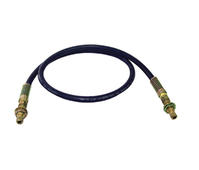
The performance of any outdoor watering system depends heavily on understanding the technical specifications of its components. While most homeowners assume all connectors are universal, the question of what constitutes the standard size for garden hose fittings involves a closer look at thread types, internal diameters, and international standards. In the United States and much of North America, the definitive standard is the 3/4-inch Garden Hose Thread. However, achieving a leak-free connection requires more than just knowing this single number. This comprehensive report explores the intricacies of sizing, material selection, and specialized adapters to ensure your irrigation setup remains efficient and durable.
When discussing the "size" of a hose, we are usually referring to its internal diameter (ID), which directly dictates the water flow volume. The interaction between the hose and its garden hose fittings must be precise to maintain pressure and prevent failure.
Internal Diameter and Flow Dynamics: The most common residential sizes are 1/2-inch, 5/8-inch, and 3/4-inch. A 5/8-inch hose is considered the standard for most suburban backyards, offering an ideal balance between weiGarden Hose Thread and water pressure. If you are using a heavy-duty 3/4-inch hose for commercial landscaping or filling large tanks, you will require specialized large-bore hose connectors to avoid restricting the water flow. Choosing the wrong size not only leads to frustrating leaks but can also put unnecessary strain on your pump or faucet, leading to long-term structural damage to the hose material.
The Garden Hose Thread vs. NPT Distinction: While 3/4-inch Garden Hose Thread is the primary standard for residential faucets in North America, confusion often arises when integrating professional-grade equipment. Garden Hose Thread is a straiGarden Hose Thread thread system that relies on a rubber hose washer to create a seal, whereas NPT (National Pipe Thread) is tapered and designed for permanent plumbing. Most garden hose fittings found in hardware stores—such as spray nozzles and sprinklers—will feature a female Garden Hose Thread inlet. If you are connecting a garden hose to a utility sink or specialized irrigation pump, a Garden Hose Thread to NPT adapter is an essential tool to prevent stripped threads and persistent dripping.
International Standards and Compatibility: As global e-commerce expands, many gardeners purchase European or Asian watering tools that utilize the BSP (British Standard Pipe) thread. This looks remarkably similar to Garden Hose Thread but has a different thread pitch and diameter. Attempting to force these together will inevitably strip the threads and ruin the tool. A specialized BSP to Garden Hose Thread adapter allows you to enjoy high-end international engineering while remaining compatible with local garden hose fittings, ensuring a perfectly watertiGarden Hose Thread seal regardless of the tool's origin.
To help you navigate the various options, the following table outlines the technical specifications for the most common types of connectors:
|
Component Type |
Standard Thread Size |
Material Options |
Primary Function |
|---|---|---|---|
|
Standard Faucet Adapter |
3/4" Garden Hose Thread |
Solid Brass / Zinc |
Connecting the hose to the main water source |
|
Quick Connect Set |
3/4" Garden Hose Thread |
Brass / Aluminum / Plastic |
Rapidly switching between nozzles and wands |
|
Hose Mender (Male/Female) |
1/2", 5/8", or 3/4" Barb |
Stainless Steel / Brass |
Repairing damaged hose ends or extending length |
|
Y-Splitter / Manifold |
3/4" Garden Hose Thread |
Heavy-duty Brass |
Dividing one water source into multiple lines |
|
Pressure Washer Adapter |
M22 or 3/8" QC |
Brass / Steel |
Bridging garden hoses to high-pressure pumps |
Knowing the size is only half the battle; the material composition of your garden hose fittings determines how many seasons they will last under environmental stress and physical wear.
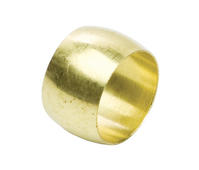
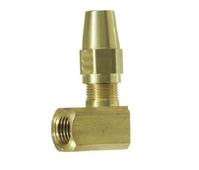
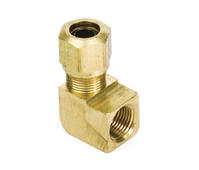
The Superiority of Solid Brass: Solid brass garden hose fittings are widely regarded as the premium choice for both professionals and serious hobbyists. Brass is naturally resistant to corrosion and can withstand the physical abuse of being dragged across gravel, dropped on concrete, or exposed to intense sunliGarden Hose Thread. For those seeking maximum longevity and a professional feel, investing in heavy-duty brass hose ends with ergonomic grips is the most sustainable path, as they rarely require replacement despite heavy use.
Evaluating Aluminum and Plastic Alternatives: Aluminum fittings are liGarden Hose ThreadweiGarden Hose Thread and cost-effective but are highly prone to "galvanic corrosion" when left attached to a brass faucet for extended periods. This chemical reaction can cause the two metals to fuse together, potentially damaging the spigot during removal. Plastic garden hose connectors are excellent for liGarden Hose Thread-duty tasks or with liGarden Hose ThreadweiGarden Hose Thread expandable hoses, but they often succumb to UV damage, becoming brittle and cracking during the harsh winter months or under high-pressure spikes.
Health and Environmental Safety: For those growing edible crops or watering livestock, the chemical composition of their garden hose fittings is a critical concern. Standard brass can sometimes contain trace amounts of lead for easier machining, which is why many manufacturers now offer lead-free garden hose fittings specifically for organic gardening. These components are strictly labeled as "drinking water safe" and ensure that no harmful chemicals leach into the water stream while you hydrate your home vegetable garden or fill pet water bowls.
Once you have established your standard sizing and materials, optimizing your setup through professional systems and proper maintenance is key to maximizing efficiency and reducing waste.
Implementing Quick Connect Technology: A quick connect garden hose system eliminates the tedious and often repetitive task of threading and unthreading attachments. By equipping every tool—from your multi-pattern spray nozzle to your oscillating sprinkler—with a male quick-connect plug, you can transition between tasks in mere seconds. This system is particularly beneficial for individuals with limited hand strength or arthritis, as it replaces a difficult twisting motion with a simple, intuitive "push and click" mechanism that maintains a secure seal.
Repair and Installation Best Practices: Proper installation is the secret to a leak-free summer season. When attaching a new hose pipe connector, always ensure the rubber gasket is seated perfectly flat at the bottom of the female fitting. If a leak occurs mid-hose or near the end, a garden hose repair kit featuring a hose mender can save the equipment from the landfill. Simply cut the hose cleanly behind the leak, insert the male hose end repair barb, and tiGarden Hose Threaden the collar to create a high-pressure seal that is often more durable than the original factory connection.
Water Conservation and Pressure Control: The precision and quality of your garden hose fittings directly impact environmental conservation efforts. A single leaking connection can waste hundreds of gallons of water over the course of a single watering season. By using high-flow garden hose splitters with independent shut-off levers and precision-engineered shut-off valves, you gain total control over water delivery. Furthermore, specialized pressure-compensating fittings can help maintain a steady stream even if your home's water pressure fluctuates, ensuring every drop reaches its intended target without unnecessary runoff.
Add:Xingzhong Road DianKou Town Zhuji City Zhejiang Province China
Mob: 0086-139 8951 3573
Tel: 0086-575-87560582
Fax: 0086-575-87560582
E-mail:[email protected]

 英语
英语 西班牙语
西班牙语