24Hours Tel
0086-139 8951 3573
Free Inqiry
E-mail:[email protected]
24Hours Tel
0086-139 8951 3573
Free Inqiry
E-mail:[email protected]
Pipe fittings are connector components that join lengths of pipe together, change flow direction, regulate flow volume, or terminate pipe runs. These essential plumbing and industrial components come in various shapes, sizes, and materials, each designed for specific applications ranging from residential water systems to complex industrial pipelines. Pipe fittings serve as the joints and connectors that make piping systems functional, allowing water, gas, oil, and other fluids to flow safely and efficiently through interconnected pipe networks.
The primary function of pipe fittings is to create reliable connections between pipe sections while maintaining system integrity and preventing leaks. Without proper fittings, even the highest quality pipes cannot create effective plumbing or industrial fluid transport systems. Understanding pipe fittings is crucial for anyone involved in plumbing work, maintenance, system design, or home improvement projects.
Pipe fittings are categorized into several distinct types, each serving unique purposes within piping systems. Knowing these types helps in selecting appropriate fittings for specific applications and ensuring system reliability.
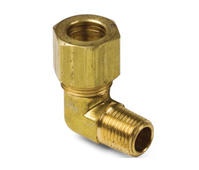
Elbow fittings are among the most common pipe fitting types, designed to change the direction of pipe flow at 45 degree, 90 degree, or 180 degree angles. These fittings are available in male and female threaded versions, socket weld options, and slip on configurations. 90 degree elbows are the most frequently used in residential plumbing systems, while 45 degree elbows reduce water pressure loss and turbulence compared to sharp 90 degree turns.
Tee shaped fittings allow a pipe to branch into two directions from a single main line. The fitting resembles the letter T and can distribute flow equally or unequally depending on the system design. Tee fittings come in equal sizes where all three ports are the same diameter, or reducing sizes where the branch connection differs from the main line size.
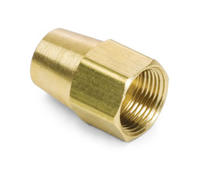
Coupling fittings connect two pipes of the same diameter in a straight line, creating a continuous flow path. Unions perform a similar function but include a nut that allows disconnection without cutting pipes, making them valuable for maintenance and repair work. Unions are particularly useful in areas requiring frequent access for maintenance or system modifications.
Cap fittings seal the end of a pipe completely, preventing flow or leakage at that termination point. Plug fittings work similarly but are threaded to screw into female threaded openings. These fittings are essential for closing off pipe sections during system modifications or repairs.
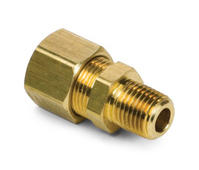
Reducer fittings connect pipes of different diameters, allowing the system to transition from larger diameter pipes to smaller ones or vice versa. Adapter fittings enable connections between different pipe materials or connection types, such as connecting threaded pipes to soldered copper lines.
Valve fittings integrate shutoff capabilities directly into the fitting component. Ball valves, gate valves, and check valves can be incorporated into fittings to control, monitor, or restrict fluid flow within the piping system.
The material composition of pipe fittings determines their suitability for specific applications, temperature ranges, pressure ratings, and chemical compatibility. Different materials offer varying levels of durability, cost effectiveness, and specialized performance characteristics.
| Material | Temperature Range | Pressure Rating | Cost Level | Common Use |
|---|---|---|---|---|
| PVC Plastic | 32°F to 140°F | 100 to 200 PSI | Low | Cold water and drainage |
| Copper | 32°F to 250°F | 300 to 600 PSI | High | Hot and cold water |
| Brass | 32°F to 250°F | 400 to 600 PSI | Medium to High | Water supply and gas |
| Steel | 32°F to 400°F | 1000 to 9000 PSI | Medium | High pressure industrial |
| Cast Iron | 32°F to 300°F | 150 to 400 PSI | Low to Medium | Drainage and ventilation |
| CPVC | 32°F to 200°F | 100 to 200 PSI | Low to Medium | Hot water distribution |
Plastic pipe fittings, primarily made from PVC and CPVC materials, offer affordability and ease of installation. PVC fittings are ideal for cold water applications and drainage systems, while CPVC fittings can handle hot water up to 200 degrees Fahrenheit. These materials resist corrosion, require no special tools for connection, and are lightweight for easy handling and transport.
Copper fittings provide excellent durability and can withstand both hot and cold water applications. These fittings require soldering or brazing for permanent connections, making installation more complex than plastic alternatives but offering superior reliability and longevity. Copper naturally resists bacterial growth, making it ideal for potable water systems.
Brass fittings combine the durability of metal with corrosion resistance and aesthetic appeal. These fittings are commonly used for water supply lines, gas connections, and decorative applications. Brass fittings maintain their appearance over time and offer good value between plastic and copper options.
Steel fittings provide exceptional strength and high pressure ratings, making them essential for industrial applications, compressed air systems, and high temperature environments. Stainless steel variants offer additional corrosion resistance for food processing, chemical handling, and harsh environmental conditions.
PVC (polyvinyl chloride) pipe fittings represent one of the most widely used fitting categories in residential and commercial plumbing. PVC fittings are preferred for their cost effectiveness, ease of installation, and resistance to corrosion, making them the default choice for many plumbing professionals and homeowners.
PVC pipe fittings conform to specific industry standards that ensure compatibility across manufacturers and products. Common PVC fitting sizes range from half inch to four inches in diameter, with schedule 40 and schedule 80 being the most prevalent classifications. Schedule 40 PVC handles standard residential water pressures, while schedule 80 offers thicker walls for higher pressure applications or buried underground installations.
PVC fittings utilize solvent cement connections, which involve cleaning the pipe and fitting surfaces, applying PVC primer, and joining them with solvent cement that chemically bonds the materials together. This connection method creates permanent, leak resistant joints that are stronger than the pipe material itself when properly executed. The process is quick, inexpensive, and requires minimal tools compared to traditional plumbing methods.
Standard PVC fittings are rated for water temperatures up to 140 degrees Fahrenheit and pressures up to 200 PSI. Applications exceeding these parameters require CPVC or alternative materials. The plastic material softens at elevated temperatures, reducing the fitting's structural integrity and pressure rating. Understanding these limitations prevents system failures and safety hazards.
PVC fittings resist most common chemicals but can be affected by certain solvents, oils, and aggressive chemicals. They are suitable for water supply, drainage, ventilation, and many irrigation applications. However, PVC fittings should not be used with highly acidic or alkaline chemicals or petroleum based products that can degrade the plastic material.
The pipe fitting market includes numerous specialty and brand specific products designed for particular applications or customer preferences. Products marketed under names like Pipe Dream fittings represent manufacturers' efforts to provide innovative solutions or premium quality options that exceed standard specifications.
Specialty fittings often feature improved connection methods, enhanced material compositions, or integrated functionality that distinguishes them from basic standard fittings. These products may include push fit connections that eliminate the need for tools or solvent cement, barbed connectors for hose attachments, or dual connection methods accommodating multiple installation approaches.
Advanced plastic fittings incorporate reinforced materials, improved UV resistance, and better temperature tolerances compared to standard PVC options. Some premium products use specialized polymers that maintain flexibility at lower temperatures or resist degradation in outdoor applications. These enhancements justify higher cost for applications where durability and performance justify the investment.
Quick connect or push to fit fittings eliminate the need for tools, solvent cement, or specialized knowledge. These fittings use internal gripping mechanisms that hold pipes securely without permanent adhesive bonding. While convenient for temporary installations or DIY applications, professional installations typically employ traditional solvent bonded or threaded connections for permanence and reliability.
Proper installation of pipe fittings determines system reliability, longevity, and performance. Different fitting types and materials require specific installation approaches to ensure leak free operation and adequate pressure handling.
The solvent cement method for PVC fittings involves several critical steps that must be executed properly to create secure connections. First, cut the pipe squarely using a hacksaw or PVC cutter, removing any burrs or debris from the cut edge. Clean both the pipe exterior and fitting interior with PVC primer, which softens the surface and promotes adhesion. Apply solvent cement to both surfaces in adequate quantity but avoiding excessive product that creates drips or overflow.
Insert the pipe into the fitting quickly, twisting slightly to distribute the cement evenly. Hold the connection firmly for 30 seconds to prevent separation. The cement sets within minutes, though full strength develops over 24 hours. Never disturb the joint during the initial curing period to ensure a permanent, pressure rated connection.
Threaded fittings require proper wrapping with thread seal tape or application of pipe thread compound to prevent leaks. Wrap thread seal tape clockwise three to four times around male threads before connecting to female threaded fittings. Use two wrenches during tightening: one to hold the fitting body and one to turn the connecting nut, preventing stress on the pipe or fitting that could cause cracks or deformation.
Copper fittings require heating with a propane torch until the fitting reaches appropriate temperature, then applying solder that flows into the joint through capillary action. This method demands skill, safety awareness, and proper technique to avoid cold joints, leaks, or damage to surrounding materials. Professional installation is recommended for copper soldered systems due to the technical requirements and potential hazards.
Large diameter industrial fittings often use flange connections with bolts or studs. These connections require proper alignment, gasket selection, and bolt tightening patterns to ensure leak free operation under high pressures. Industrial standards specify bolt tightening sequences and torque values to prevent uneven stress distribution.
Choosing appropriate pipe fittings requires consideration of multiple factors including system pressure, temperature, material compatibility, flow requirements, and budget constraints. Incorrect fitting selection leads to system failures, safety hazards, and costly repairs.
Identify the maximum operating pressure of your piping system, including pressure spikes that occur during sudden valve closure or pump shutdown. Water supply systems typically operate at 30 to 80 PSI, while industrial applications may require fittings rated for hundreds or thousands of PSI. Always select fittings with pressure ratings exceeding your system's maximum anticipated pressure by at least 25 percent to provide safety margin.
Determine both the normal operating temperature and maximum temperature the system may encounter during operation or maintenance procedures. Operating fittings above their temperature rating compromises structural integrity and creates leakage risk. For hot water applications, CPVC fittings offer better performance than standard PVC, while copper or brass fittings are required for high temperature industrial processes.
The fluid being transported through the pipe system must be compatible with the fitting material. Potable water systems typically use PVC, copper, or brass. Chemical transport applications require specialized materials resistant to the specific chemicals involved. Oil and gas applications need steel or stainless steel fittings. Mixing incompatible materials causes accelerated corrosion or chemical degradation.
Calculate required flow rates for your application and select pipe and fitting sizes that deliver adequate flow without excessive pressure loss or velocity. Oversized fittings reduce flow resistance but increase cost and space requirements. Undersized fittings create excessive pressure drops and potential cavitation in pumped systems. Professional sizing calculations balance these competing factors.
While initial material cost matters, evaluating total lifecycle cost provides better financial perspective. Inexpensive PVC fittings may require replacement or repair within 10 to 15 years, while copper fittings often last 50 years or more. For critical applications, premium materials and quality fittings justify higher upfront expenses through reduced maintenance and longer service life.
Understanding common fitting problems helps identify issues before they become serious failures and guides preventive maintenance practices. Many fitting problems are preventable through proper installation, material selection, and system maintenance.
Leaking pipe fittings result from improper installation, material defects, or pressure exceeding the fitting's rating. Immediate leak repair is essential to prevent water damage and structural deterioration. Minor leaks from threaded connections may be resolved by tightening the connection or rewrapping with thread seal tape. Leaking solvent cemented joints cannot be easily repaired and typically require pipe cutting and fitting replacement. Leaking soldered connections may be temporarily sealed with epoxy putty but require professional re-soldering for permanent repair.
Metal fittings in aggressive water or environmental conditions may develop corrosion that compromises structural integrity and promotes leaking. Hard water with high mineral content can deposit scale inside fittings, restricting flow. Regular inspection and maintenance address corrosion issues before failure occurs. Coating or protecting exposed fittings extends service life.
Operating fittings beyond their rated pressure or temperature causes failure through material degradation, permanent deformation, or catastrophic rupture. Prevent these problems through proper pressure regulation, temperature control, and fitting selection appropriate for system conditions. Pressure relief valves protect systems from excessive pressure that could damage fittings.
Pipes and fittings subjected to vibration or movement from pumps, flowing fluid, or external forces may develop fatigue cracks or work loose from their connections. Proper support and restraint of piping systems minimizes vibration related damage. Flexible connectors absorb vibration from pumping equipment, protecting rigid fittings from damage.
Incompatible fitting materials or fluids cause rapid corrosion and failure. Galvanic corrosion occurs when dissimilar metals contact in the presence of conductive fluid, creating electrochemical reactions that destroy the weaker material. Proper material selection and dielectric isolation prevent these problems.
Regular maintenance and inspection extends fitting service life, identifies potential problems before failure, and ensures optimal system performance. A structured maintenance program prevents unexpected breakdowns and reduces total system cost.
Monthly visual inspection of visible fittings identifies obvious problems like leaks, corrosion, discoloration, or physical damage. Look for water stains, rust, white mineral deposits, or cracks indicating material failure. Document problem areas and establish priorities for repair or replacement based on severity and impact on system operation.
Periodic pressure testing validates that fittings maintain adequate sealing and structural integrity under operating conditions. Professional pressure testing equipment identifies slow leaks not visible during casual inspection. Test results establish baseline data for comparison during future inspections to detect gradual deterioration.
Decreased flow rate often indicates partial blockage or corrosion inside fittings restricting fluid passage. Comparing current flow rates to historical baselines identifies developing problems. Significant flow reduction requires investigation and corrective action to prevent complete blockage or fitting failure.
Water softening, pH adjustment, and addition of corrosion inhibitors reduce the likelihood of fitting corrosion and extend service life. Professional water analysis determines appropriate chemical treatment based on local water conditions. Regular treatment maintains water chemistry within optimal ranges for system protection.
Establish replacement schedules based on fitting material, system conditions, and expected service life. PVC fittings typically last 15 to 25 years, while copper fittings often exceed 50 years. Schedule preventive replacements before failure occurs in critical areas where leaks create significant damage potential or system disruption.
Beyond residential plumbing, pipe fittings serve critical functions in industrial processes, commercial buildings, and infrastructure systems. Understanding application specific requirements ensures proper system design and reliable operation.
Heating, ventilation, and air conditioning systems use copper, brass, and specialized fittings for refrigerant and water circulation. These systems require high quality fittings that maintain integrity under pressure and temperature cycling. Proper refrigerant isolation procedures prevent contamination and system failure during installation.
Manufacturing facilities, chemical plants, and refineries use specialized steel, stainless steel, and exotic alloy fittings rated for extreme pressures and temperatures. These applications demand precise specifications, rigorous quality control, and expert installation. Failure of industrial process piping can result in production shutdowns, environmental contamination, or safety emergencies.
Natural gas, propane, and compressed air systems use brass, copper, and steel fittings with special leak tight requirements. Gas system fittings must meet strict safety standards and maintain absolute integrity to prevent gas leaks that create fire and explosion hazards. Regular testing and maintenance are mandatory for gas system safety.
Irrigation systems use PVC, polyethylene, and specialty fittings designed for outdoor exposure and soil burial. These applications require UV resistant materials and fittings that withstand soil movement, temperature cycling, and chemical exposure. Proper filtration prevents sediment from blocking small diameter fittings.
Applications requiring food contact or medical gas delivery use stainless steel or specialized plastic fittings that meet health and safety regulations. Sterility requirements drive design and installation procedures to prevent contamination. These systems undergo regular testing and certification to verify safety and functionality.
The pipe fitting industry continues evolving with new materials, connection methods, and intelligent system integration improving performance and reliability. Understanding emerging trends helps inform decisions about system upgrades and new installations.
Next generation plastic materials offer improved temperature tolerance, chemical resistance, and pressure ratings compared to conventional PVC and CPVC. High performance polymers enable plastic fittings to serve applications previously requiring metal components, reducing cost and simplifying installation in some cases.
Fittings incorporating sensors for temperature, pressure, and flow monitoring enable real time system diagnostics and predictive maintenance. These intelligent systems alert operators to developing problems before failure occurs, reducing downtime and preventing costly damage. Integration with building management systems enables automated responses to system changes.
Development of recycled content fittings and sustainably sourced materials addresses environmental concerns while maintaining performance standards. Manufacturers increasingly prioritize environmentally responsible production methods and materials that reduce lifecycle environmental impact.
Innovations in quick connect, press to fit, and fusion bonded technologies continue reducing installation time and eliminating common installation errors. These advancements make professional quality connections accessible to DIY users while reducing labor costs for commercial installations.
Understanding fitting costs and value helps optimize system budgets while maintaining quality and reliability standards. A comprehensive cost analysis considers material costs, labor expenses, maintenance requirements, and expected service life.
| Fitting Type | Material | Half Inch Size | One Inch Size | Two Inch Size |
|---|---|---|---|---|
| Elbow 90 Degree | PVC | $0.25 | $0.50 | $1.20 |
| Tee Fitting | PVC | $0.35 | $0.75 | $1.75 |
| Coupling | PVC | $0.15 | $0.30 | $0.75 |
| Elbow 90 Degree | Copper | $3.50 | $5.25 | $8.50 |
| Tee Fitting | Brass | $2.75 | $4.50 | $7.25 |
PVC fitting installation costs significantly less than copper or brass due to simpler connection methods and reduced skill requirements. Professional plumbers typically charge $50 to $150 per hour labor, with PVC systems requiring 20 to 30 percent less time than soldered copper systems. DIY installation eliminates labor costs entirely but requires appropriate knowledge and tools.
While PVC offers lower upfront costs, copper and brass fittings may provide better lifecycle economics through extended service life and reduced maintenance. A system designed to last 50 years with minimal maintenance may cost less over time than replacing plastic components every 20 years, depending on specific circumstances.
PVC (polyvinyl chloride) fittings are suitable for cold water applications up to 140 degrees Fahrenheit and pressures up to 200 PSI. CPVC (chlorinated polyvinyl chloride) fittings can handle hot water applications up to 200 degrees Fahrenheit, making them ideal for hot water supply lines. Both materials are affordable and corrosion resistant, but CPVC's superior temperature tolerance justifies its higher cost for hot water systems. PVC remains the better choice for cold water, drainage, and outdoor irrigation applications.
Mixing incompatible materials can cause galvanic corrosion or other chemical reactions that damage the system. However, properly isolated connections between different materials are possible using dielectric unions or isolation fittings that break electrical continuity between dissimilar metals. Generally, maintaining consistent materials throughout a system is recommended for optimal performance and longevity. Consult local building codes and professional guidelines before mixing materials in critical applications.
Pipe fitting sizes correspond to the pipe diameter they connect to, typically measured in half inch increments from half inch up to several inches. Common residential sizes include half inch, three quarter inch, and one inch diameters. Check your existing pipes or system plans to determine required sizes. When in doubt, bring a sample pipe or fitting to a plumbing supply store where staff can help identify the correct size and material for your application.
Leaks result from improper installation, fitting defects, excessive pressure, or material deterioration. Threaded fitting leaks may be fixed by tightening or rewrapping with thread seal tape. Solvent cemented PVC leaks typically require cutting out and replacing the fitting. Soldered copper leaks need professional re soldering. For persistent leaks, identify the underlying cause (pressure issues, material incompatibility, or poor installation) and address the root problem to prevent recurrence.
Quick connect or push to fit fittings offer convenience and simplicity but create non permanent connections suitable for temporary or portable systems. Solvent bonded PVC connections create permanent joints stronger than the pipe material itself, making them more reliable for permanent plumbing installations. Quick connects work well for garden hoses, portable applications, and DIY projects, but professional plumbing typically uses traditional bonded or threaded connections for superior reliability and durability.
Most residential plumbing systems operate between 30 and 80 PSI, with local water pressure typically ranging from 40 to 60 PSI. PVC fittings rated for 100 to 200 PSI provide adequate safety margin for typical residential applications. Some systems experience higher pressure, so verify your actual water pressure and select fittings rated at least 25 percent above maximum anticipated pressure. Pressure regulators can reduce excessive municipal water pressure to appropriate levels for residential systems.
Service life varies significantly by material and conditions. PVC fittings typically last 15 to 25 years in indoor applications, while copper and brass fittings often exceed 50 years. Steel fittings for industrial applications may last 20 to 40 years depending on corrosion conditions. Harsh water chemistry, high temperatures, or excessive pressure reduces fitting lifespan. Regular inspection helps identify fittings approaching end of life before failure occurs, enabling planned replacement during system maintenance.
PVC fitting installation requires a hacksaw or PVC cutter for cutting pipe, PVC primer and solvent cement for bonding, and basic hand tools for holding and tightening fittings. No power tools or specialized equipment are necessary, making PVC fitting installation accessible to homeowners and DIY enthusiasts. Copper soldered connections require propane torches and specialized training, while threaded connections need adjustable wrenches. PVC remains the most user friendly material for DIY installation.
Outdoor rated fittings include UV protection and cold temperature tolerance designed for external exposure and freeze thaw cycling. These fittings work fine indoors, though their specialized features are unnecessary, often making them more expensive than indoor alternatives. Generally, use standard indoor fittings for interior applications and select specifically rated outdoor fittings only for exterior installations where UV exposure and temperature extremes occur.
Identify the type of connection and fitting material to determine repair options. For threaded connections, first attempt tightening with appropriate wrenches without over stressing the fitting. If tightening doesn't stop the leak, unscrew the connection, clean the threads, apply fresh thread seal tape or pipe compound, and reconnect. For solvent cemented PVC leaks, the fitting typically cannot be repaired and must be cut out and replaced. Soldered copper leaks require professional attention from an experienced plumber. If leaks persist, investigate whether the fitting is correctly rated for system pressure and temperature before attempting additional repairs.
Add:Xingzhong Road DianKou Town Zhuji City Zhejiang Province China
Mob: 0086-139 8951 3573
Tel: 0086-575-87560582
Fax: 0086-575-87560582
E-mail:[email protected]

 英语
英语 西班牙语
西班牙语